

Dormer loft conversion projects, in their entirety, from the earliest planning stages all the way to completion, the best case scenario is a timescale of at least 6-8 weeks, but is more commonly 8-10 weeks.
However, there are various factors that can affect the length of time it takes. No two projects are the same, so for home owners considering a dormer loft conversion, there are a few things to consider.
Table of Contents
Planning Process
Before construction can start on your dormer loft conversion, there are three things to tick off the list: design planning, permissions and, if applicable, party wall agreements.
You will work closely with your chosen architect to get the design just as you’d like it, followed by confirming if planning permissions are required from local authorities, although most loft conversions are covered by permitted development rights.
If you do require planning permission, this process alone can take 8-12 weeks.
Finally, if you live in a terraced or semi-detached property, you may need to receive permission from your neighbours to go ahead with construction work.
Structural Work
Once construction work can begin, numerous structural changes and reinforcements are likely to be carried out. This includes roof modification, floor reinforcements and the building and cladding of the dormer frame to match the roof.
Insulation, Plumbing and Electrical Work
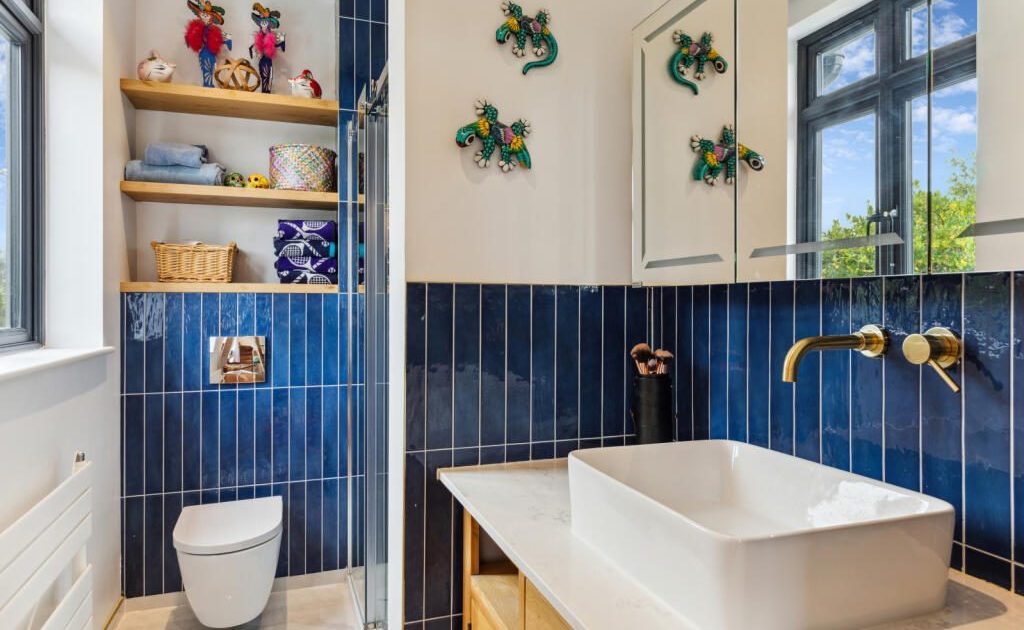
The length of time this part of the process takes will be down to the intended purpose of your dormer loft conversion. If there are en-suites or bathrooms required, this could add time onto your project – think plumbing and electricals.
Interior Finishing Touches
Once the bulk of the construction work is done, you can begin to work on the interior. Painting, decorating, furniture installation and more are relatively simpler than the previous stages, and can be achieved in around a week. Don’t underestimate how long a good bathroom tiling job can take!
It’s worth noting that things like bad weather, hidden structural problems or other delays can add unforeseen amounts of time onto your project. If you’re ordering fancy tiles from out of the UK, you’ll need to factor in shipping.
To avoid issues like these, a spring or summer project and a thorough evaluation of your loft space beforehand can lessen your chances of delays.
